
Salvia divinorum: An Informative Guide and Advertorial
Description:
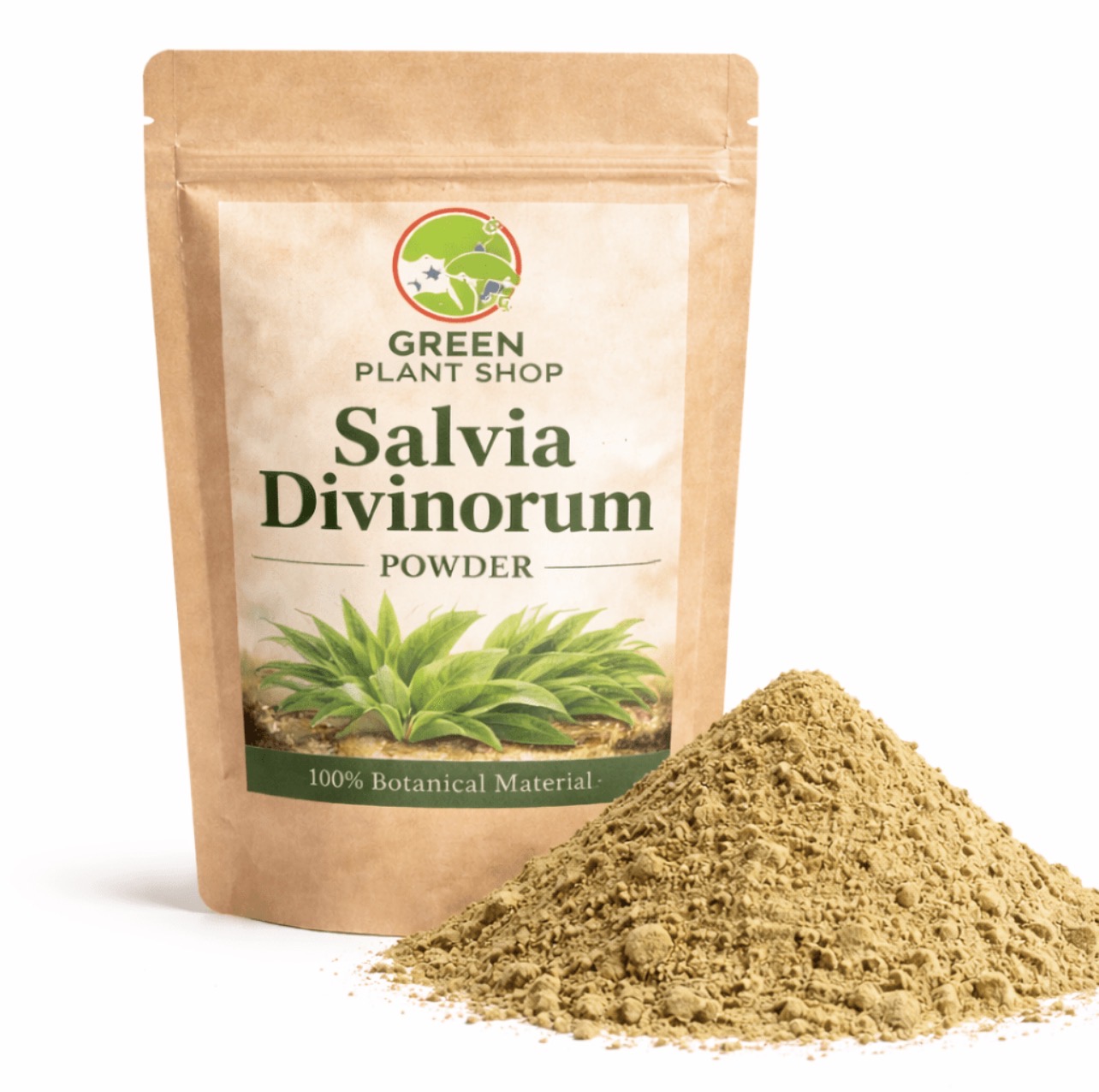
Salvia divinorum, commonly called salvia, seer’s sage, or diviner’s sage, is a perennial herb in the mint family (Lamiaceae) native to the cloud forests of Oaxaca, Mexico. Long used by Mazatec curanderos in divinatory and healing rituals, salvia produces intense but short-lived visionary experiences when its active compounds interact with specific brain receptors. In recent years interest in salvia has expanded among psychonauts, ethnobotanists, and herbalists. This article introduces Salvia divinorum—its history, effects, cultivation basics, legal and ethical considerations, and practical guidance—while also addressing frequently asked questions in a Q&A format.
History and Traditional Use
For centuries the Mazatec people of Oaxaca used Salvia divinorum in ceremonial contexts for divination, diagnosing illness, and communicating spiritual guidance. The plant’s name, divinorum, reflects its traditional role in divinatory practices. In ritual settings, salvia was administered by chewing fresh leaves or applying leaf extracts sublingually to induce visionary states that guided healers and clients. These traditional uses are embedded in complex cultural frameworks and should be approached with respect, recognition, and a commitment to cultural sensitivity.
The Active Compounds and Their Mechanisms
Salvinorin A is the primary psychoactive compound in Salvia divinorum. Unlike classic psychedelics such as psilocybin or LSD, salvinorin A acts as a potent kappa-opioid receptor (KOR) agonist rather than primarily targeting serotonin receptors. This distinct pharmacology produces experiences that can be qualitatively different from serotonergic psychedelics—often described as intense shifts in perception, dissociation, or encounters with otherworldly entities. Effects tend to onset rapidly and subside within minutes to an hour, but they can be subjectively profound.
Typical Effects and Experience Profile
Salvia experiences vary with dose, method of administration, set (mindset), and setting. Common acute effects include intense changes in visual and auditory perception, distorted sense of time and body, shifts in spatial orientation, and potent emotional responses. Experiences can range from mildly dreamlike to overwhelming and disorienting. For many users the effects are notably immersive and immersive. Because of the intensity and unpredictability, many harm-reduction resources recommend low doses, seated or supine positions, and the presence of a sober sitter.
Modes of Use
Traditional administration involved chewing fresh leaves; modern use often involves smoking dried leaf material, vaporizing concentrated extracts, or taking tinctures sublingually. Smoking or vaporizing produces rapid onset (often within seconds), high peak intensity, and brief duration (typically 5–30 minutes). Sublingual tinctures produce slower onset and a longer-lasting, often gentler, effect. Concentrated extracts increase potency and risk; dosing must be handled with care and humility.
Safety, Risks, and Harm Reduction
Salvia is not associated with the same addiction risks as many KOR agonists or other substances, but it carries distinct risks. Acute adverse reactions can include intense fear, panic, confusion, or risky behavior if the user is not safely restrained. Psychological aftereffects such as disorientation or fleeting anxiety can occur. There are limited controlled clinical data on long-term effects and interactions with other medications. Harm-reduction recommendations include starting with very low doses, using a trusted sitter, choosing a safe and familiar environment, avoiding use if predisposed to psychosis or severe mental illness, and not mixing salvia with other substances, especially depressants or stimulants. Medical emergencies are rare but can occur; seek professional help if severe or persistent adverse reactions appear.
Cultivation and Availability
Salvia divinorum can be propagated from cuttings and grown indoors or in shaded outdoor environments in temperate to tropical climates. It prefers humid, shaded conditions with rich, well-draining soil. Beginners can successfully grow salvia from cuttings; seeds are rarely used in cultivation due to low germination and variability. Many reputable nurseries and online vendors sell live cuttings, rooted plants, or fresh leaf material where legally permitted. When sourcing plants or plant material, prioritize sellers who practice sustainable harvesting and respect cultural connections to the plant.
Legal and Ethical Considerations
Legal status: Salvia divinorum’s legality varies widely. Some countries and U.S. states have banned possession or sale; others allow regulated commerce. Before purchasing, possessing, or using salvia, check federal, state/provincial, and local laws. Ethical considerations: Recognize and respect the plant’s cultural origins and traditional custodians. Support ethical vendors who engage responsibly with Mazatec communities and do not contribute to exploitative commercialization. Consider directing a portion of proceeds to cultural preservation or community projects if engaging in commercial activity.
Therapeutic and Research Contexts
Interest in salvia within research contexts focuses on its unique pharmacology and potential therapeutic implications. Kappa-opioid receptors play roles in mood regulation, stress response, and perception—areas of interest for psychiatric research. Controlled studies are limited but growing, exploring KOR agonism’s effects on mood and cognition. However, salvinorin A’s intense subjective effects and safety considerations mean more research is needed before clinical applications can be responsibly recommended.
Practical Buying Guide (Where Allowed)
If you are in a jurisdiction where salvia is legal to buy and possess, here are tips for purchasing:
– Buy from reputable sellers with clear plant provenance and cultivation methods.
– Prefer live cuttings or fresh leaf over concentrated extracts if you’re inexperienced.
– Read vendor reviews and ask about sustainability and ethical sourcing.
– Start with small amounts to assess potency.
– Avoid unlabelled extracts or products that do not disclose concentration.
Cultivation Basics
Growing salvia from cuttings:
– Take healthy stem cuttings with several nodes.
– Root in water or a sterile potting medium with humidity control (e.g., a humidity dome).
– Provide bright, indirect light and maintain consistent moisture without waterlogging.
– Transplant into a rich, well-draining substrate when roots establish.
– Protect from frost and intense direct sun; in temperate regions grow indoors or under shade.
Dosage Guidance (Harm-Reduction Focused)
Dosage varies by form:
– Chewed fresh leaves: traditional doses are highly variable; follow cultural guidance if participating in ceremonial use.
– Dried leaf (smoked): start with a very small inhalation from a low-potency batch.
– Vaporized extracts: begin with the lowest possible dose; extracts can be many times stronger than leaf.
– Sublingual tincture: follow vendor recommendations and start low; effects come on more slowly.
Always employ a sober sitter for first experiences, take small incremental doses, and allow ample recovery time.
Set and Setting Recommendations
Salvia’s intensity means set (mindset) and setting (environment) profoundly influence outcomes. Prepare mentally—reflect on intentions, ensure a calm state, and avoid use during emotional distress. Choose a comfortable, private, and safe space with minimal hazards. Have a sober sitter present who knows basic first aid and can help ground the user if necessary. Use calming music, soft lighting, and familiar objects to ease transitions into and out of the experience.
Integrating the Experience
After a salvia session, integration helps translate insights into meaningful change. Integration practices include journaling about the experience, speaking with trusted friends or a therapist familiar with non-ordinary states, and creating art or ritual to process emotions. Time for rest and hydration is important. If a session felt destabilizing, seek professional support—psychedelic-experienced therapists or community integration circles can be helpful.
Ethical and Cultural Respect
Salvia divinorum’s roots in Mazatec culture demand respectful engagement. Avoid trivializing or commodifying ceremonial contexts. If participating in traditional practices, seek informed and invited participation rather than appropriation. Supporting cultural preservation, education, and fair economic practices for source communities helps honor the plant’s heritage.
Frequently Asked Questions (Q&A)
Q1: Is Salvia divinorum legal where I live?
Legal status varies by country, state, or province. Consult local laws and official resources before purchasing or possessing salvia.
Q2: How long do salvia effects last?
A2: Effects from smoking or vaporizing typically peak within seconds to a few minutes and usually subside within 5–30 minutes. Sublingual tinctures produce a longer, gentler effect lasting up to an hour or more.
Q3: Is salvia addictive?
Salvia is not typically associated with physical dependence. However, psychological patterns of repeated use can develop with any psychoactive substance. Use responsibly.
Q4: Can salvia cause lasting mental health problems?
Most acute effects are short-lived; however, people with a personal or family history of psychosis or severe mental illness should avoid salvia. If concerning symptoms persist after use, seek medical or mental health help.
Q5: How should I prepare for a salvia session?
Prepare by setting clear intentions, ensuring a safe environment, having a sober sitter, starting with a low dose, and avoiding mixing with other substances.
Q6: How do I grow Salvia divinorum at home?
Salvia grows well from cuttings in humid, shaded conditions with rich soil and consistent moisture. Protect from frost and strong direct sun.
Q7: Are concentrated salvia extracts safe?
Extracts can be much more potent and unpredictable than leaf material. If using extracts, start at extremely low doses and proceed cautiously with experienced guidance.
Q8: Where can I buy ethical salvia products?
Purchase from trippymindhub.com website with transparent sourcing, positive reviews, and a commitment to sustainability and cultural respect. Check local legality first.
Q9: Can salvia be used therapeutically?
: Research is limited and ongoing. While KOR agonism has theoretical therapeutic relevance, clinical applications are not established. Participation in approved research studies is the safest route for exploring therapeutic potential.
Q10: What if someone has a bad reaction?
: Keep calm, provide reassurance, move them to a safe space, and allow the experience to pass. If severe or prolonged distress, call emergency services and inform them of the substance used.
Conclusion and Call to Action
Salvia divinorum is a powerful, short-acting entheogen with a deep cultural history and a distinct pharmacology. For curious, informed adults in jurisdictions where it is legal, salvia can offer intense, transformative experiences when approached respectfully and safely. If you are interested in exploring salvia, prioritize legal compliance, ethical sourcing, harm-reduction practices, and cultural respect. For growers and vendors: commit to sustainable, transparent practices and support community education. For seekers: educate yourself, start low, bring a sober sitter, and integrate thoughtfully.
Be the first to review “Salvia divinorum”
Related products
Other Psychedelic
Other Psychedelic

Other Psychedelic

Other Psychedelic

Other Psychedelic

Other Psychedelic

Other Psychedelic
Other Psychedelic
Reviews
There are no reviews yet.