
Embrace Transformation: The Ayahuasca Retreat Experience.
Description:
Ayahuasca retreat, where ancient wisdom meets modern healing. Held in breathtaking natural settings, these retreats offer a profound opportunity for personal growth, self-discovery, and emotional healing. Guided by experienced shamans, participants come together to explore the depths of consciousness through the sacred brew of ayahuasca. This guide will illuminate what to expect, how to prepare, the benefits you can gain, and more as you consider embarking on this life-changing experience.
Understanding Ayahuasca
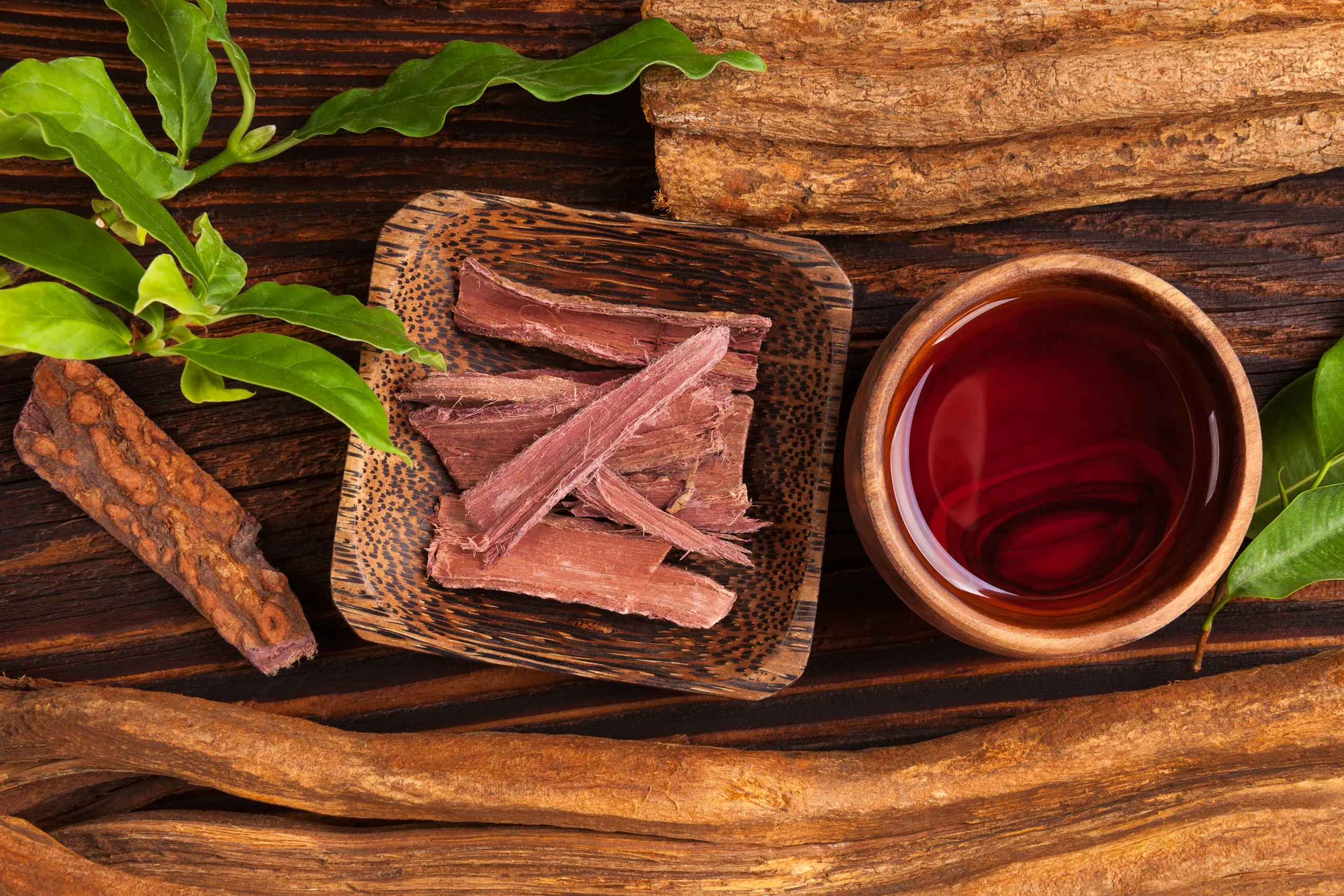
Ayahuasca is a powerful psychoactive brew traditionally used by Indigenous peoples in the Amazon for spiritual and healing purposes. It is made from the Banisteriopsis caapi vine and the Psychotria viridis leaf, containing the potent hallucinogen DMT (dimethyltryptamine). By inhibiting monoamine oxidase (MAO), ayahuasca allows DMT to induce vivid, transformative experiences. Many participants report deep emotional insights, personal revelations, and profound spiritual connections during ceremonies. This unique blend of plants offers a path to understanding oneself and the universe.
The Retreat Experience
Ayahuasca retreats typically span several days, immersing participants in a supportive, communal environment. Each retreat usually includes multiple ceremonies led by skilled shamans experienced in navigating the complexities of the ayahuasca experience. Participants engage not only in drinking the brew but also in group discussions, integration sessions, and other holistic practices such as yoga, meditation, and breathwork. This multifaceted approach ensures a well-rounded experience, allowing participants to access deeper layers of understanding and healing.
Benefits of Attending an Ayahuasca Retreat
Participating in an ayahuasca retreat can offer numerous mental, emotional, and spiritual benefits. Many attendees report significant reductions in anxiety, depression, and PTSD symptoms, facilitated by confronting and processing unresolved traumas. The experience fosters introspection and personal growth, often leading to heightened self-awareness and improved emotional regulation. Furthermore, participants frequently experience enhanced creativity, renewed purpose, and a stronger connection to nature and the universe. These profound effects inspire many to pursue positive changes in their everyday lives.
Preparing for the Retreat
Preparation is crucial for a successful ayahuasca retreat experience. Participants are often advised to follow a specific diet leading up to the ceremony, avoiding alcohol, caffeine, processed foods, and certain medications. Engaging in physical and mental preparation, like journaling and setting intentions, can also help participants clarify their goals for the journey. It is essential to approach the experience with openness, humility, and a willingness to confront difficult emotions. The more preparedness participants display, the more rewarding their journey can be.
Choosing the Right Retreat Center
Selecting a reputable retreat center is vital for a safe and transformative experience. Research is key; look for centers with experienced shamans, positive testimonials, and transparent practices. Reach out to past participants for first-hand accounts of their experiences. Assess the facility’s safety measures, health protocols, and support services. Ensure that the center maintains a respectful approach to Indigenous traditions, actively promoting cultural sensitivity. This attention to detail can enhance the overall experience, creating a nurturing environment.
The Role of the Shaman
At the heart of ayahuasca ceremonies is the shaman, a trained guide who leads participants through their journeys. Shamans possess a deep understanding of the brew’s effects, the cultural significance of rituals, and the intricacies of spiritual healing. They sing icaros—ceremonial songs that help navigate the experience—while providing emotional and spiritual support. It’s essential to choose a retreat center where shamans are respected, experienced, and in tune with the healing process. Their guidance can significantly influence the outcomes of your experience.
The Ceremony: What to Expect
During an ayahuasca ceremony, participants gather in a ceremonial space designed for comfort and safety. Before ingesting the brew, the shaman may offer guidance, emphasizing the importance of intentions and openness. After consuming ayahuasca, participants may experience vivid visions, emotional releases, and moments of deep insight. The shaman continuously supports the group throughout the ceremony, using icaros to help facilitate the journey. Each experience is unique, and participants are encouraged to reflect on their insights and explore their feelings as they arise.
Integration and Aftercare
The integration process is often overlooked but is crucial to fully harnessing the insights gained during an ayahuasca retreat. Many retreat centers offer follow-up integration sessions, providing participants the opportunity to share experiences and process their journeys. Journaling, talking with trusted friends, or engaging in therapy can further aid in integration. Understanding and embodying the lessons learned empowers participants to create positive change in their lives. Taking time for self-care and reflection after the retreat is equally important.
Safety Considerations
While ayahuasca is generally considered safe when consumed in appropriate settings, certain precautions are essential for ensuring a positive experience. Participants should be upfront about their medical history, including any medications or mental health conditions, to assess any potential risks. Retreat centers should have clear policies regarding safety, emergency protocols, and medical consultations. Being aware of potential side effects such as nausea or anxiety is essential. A supportive environment coupled with responsible usage can mitigate risks and foster healing.
Ayahuasca and Community
An underlying factor of ayahuasca retreats is the sense of community that develops among participants. Sharing this transformative experience with others fosters deep connections, lending emotional support while navigating the challenges of the journey. Many participants maintain relationships with fellow attendees long after the retreat, forming support networks that enhance their integration process. Community can serve as a source of strength and encouragement, reminding individuals of their shared exploration in pursuit of healing and understanding.
Legal Status of Ayahuasca
The legal status of ayahuasca varies widely around the world. In some countries, it is legal to possess and use for spiritual purposes, while others may classify it as a controlled substance. Before attending a retreat, it’s essential to understand local laws and regulations regarding ayahuasca. Engaging with centers in jurisdictions where ayahuasca is legal will ensure a smoother experience. Understanding the legal landscape allows participants to feel secure in their decision to explore ayahuasca through safe and permitted means.
Research on Ayahuasca
Scientific research on ayahuasca is gradually expanding, revealing potential therapeutic benefits. Studies indicate that ayahuasca may help treat a variety of mental health issues, including depression, anxiety, and substance use disorders. The brew’s unique pharmacology and its ability to facilitate introspection open exciting avenues for understanding its integration into mainstream mental health practices. As research continues to evolve, ayahuasca’s role in therapeutic settings will likely become more defined, offering even greater insights into its healing potential.
Embracing After the Retreat
Returning to daily life following an ayahuasca retreat may feel both exhilarating and overwhelming. Participants often find themselves filled with newfound insights and energy yet may also grapple with the challenges of reintegration. Taking time for self-care, continuing support through community or therapy, and employing learned techniques from the retreat can help ease the transition. Embrace the process of integrating your experiences—these insights can inform your choices and direction moving forward.
Creating a Long-Term Practice
For those deeply impacted by their ayahuasca experience, establishing a long-term practice can provide ongoing benefits. This might include regular meditation, journaling, or connecting with nature. Engaging in practices that foster mindfulness, self-reflection, and emotional awareness continues the work initiated during the retreat. Some individuals may choose to focus on similar plant medicines or alternative therapies to complement their journey. Building a practice that resonates personally provides a valuable tool for navigating life’s challenges.
Frequently Asked Questions (Q&A)
Q1: What should I wear to an ayahuasca retreat?
Comfortable, loose-fitting clothing is recommended. Dress according to the climate and be prepared for potential physical reactions, such as sweating or chills.
Q2: Can I attend an ayahuasca retreat if I have a medical condition?
It’s crucial to consult with a healthcare professional before attending if you have any medical conditions, especially mental health concerns or are on medication.
Q3: How often should I participate in ayahuasca ceremonies?
Frequency varies among individuals. Many people benefit from occasional retreats, while others may choose to engage more regularly. Listen to your own needs and do not rush.
Q4: How can I prepare for an ayahuasca ceremony?
Focus on physical preparation, such as dietary changes, and mental preparation through intention-setting and self-reflection. Engage with your inner self to clarify what you hope to discover.
Q5: Is there a risk of having a bad trip?
Intense experiences can occur, but having a supportive environment and an experienced shaman can help manage challenging moments. Approach the journey with openness and trust in the process.
Q6: What happens if I experience nausea during the ceremony?
Nausea is a common reaction to ayahuasca. Many participants do experience purging, which can be a part of the cleansing process. Your shaman and retreat staff will guide you through it.
Conclusion:
As you consider attending an ayahuasca retreat, remember that this sacred medicine is a doorway to transformation. Embrace the opportunity to dive deep into self-exploration, healing, and spiritual growth. By preparing thoughtfully, participating with openness, and engaging in integration afterward, you can profoundly enrich your journey. Unlock the wisdom within you and experience the power of ayahuasca through a dedicated retreat—a step toward embracing a more profound understanding of life and your place in it.
Be the first to review “Ayahuasca Retreat”
Related products

Other Psychedelic

Other Psychedelic

Other Psychedelic

Other Psychedelic
Other Psychedelic

Other Psychedelic

Other Psychedelic

Other Psychedelic
Reviews
There are no reviews yet.