
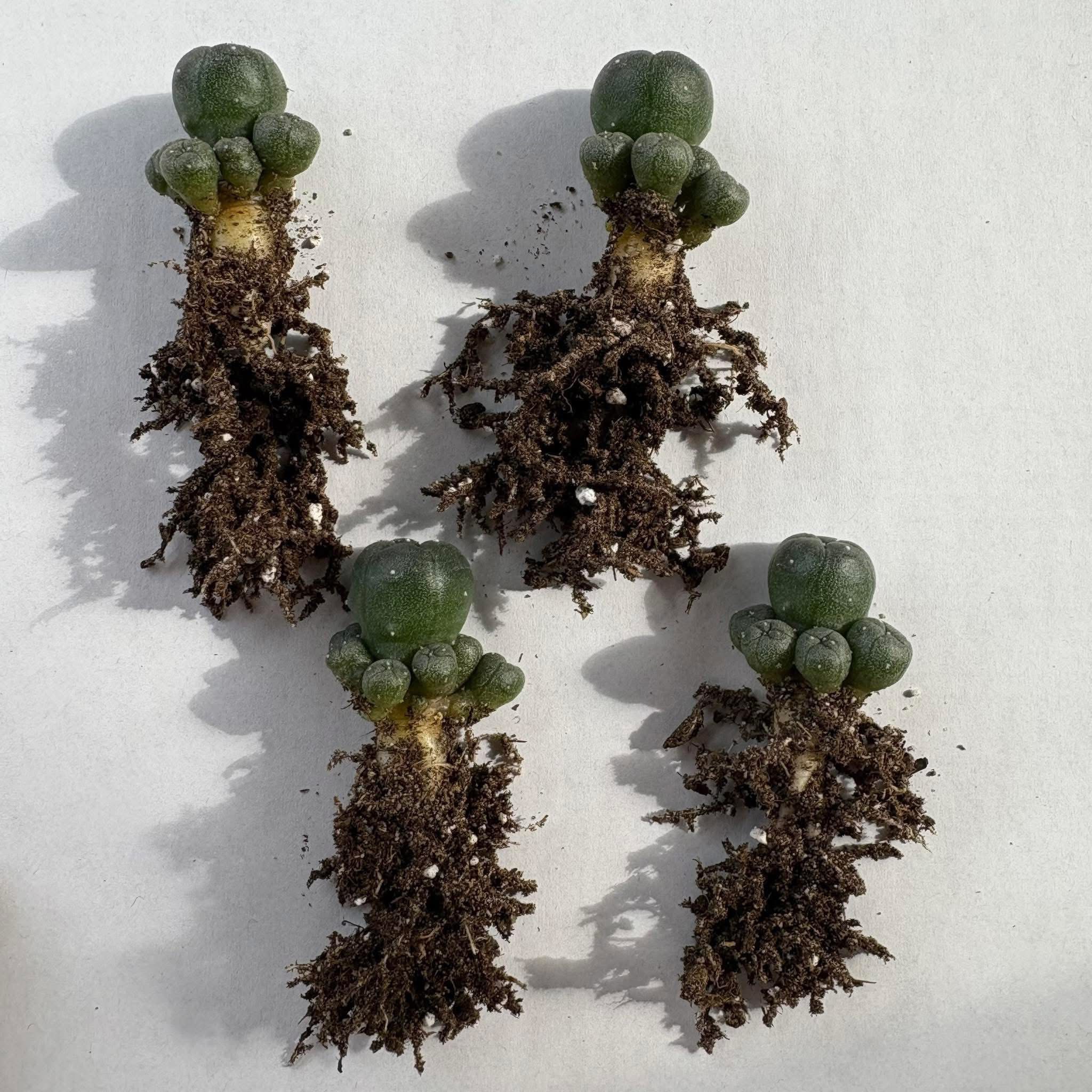
Discovering Peyote Cactus Seeds: Your Gateway to Growth.
Description;
Peyote cactus seeds, sourced from the celebrated Lophophora williamsii, offer enthusiasts a unique opportunity to grow their own peyote. This small, spineless cactus is revered for its psychoactive properties due to the presence of mescaline. For centuries, peyote has been used in spiritual and healing ceremonies by Indigenous peoples. As interest in natural remedies and psychedelics rises, many are turning to peyote cactus seeds, seeking connection, introspection, and personal growth through cultivation. Growing peyote cactus seeds from seeds requires patience and understanding, but for many, the journey is as rewarding as the eventual harvest.
Understanding Peyote Cactus and Its Significance
Peyote cactus seeds holds a special place in the histories of various Native American tribes, acting as a conduit to spiritual realms and introspective experiences. Historically, peyote has been more than just a psychoactive substance; it serves as a tool for healing and connection within communities. The cultural significance of peyote underscores the importance of respecting its traditional uses. As interest in psychedelics continues to grow, individuals are drawn to peyote, seeking to integrate its benefits into their own practices.
The Active Compound: Mescaline
Mescaline is the psychoactive primary compound in peyote, known for inducing altered states of consciousness. When consumed, mescaline interacts with the brain’s serotonin receptors, resulting in visual hallucinations, expanded ideas, and profound insights. Unlike many synthetic psychedelics, mescaline is revered for its gentle yet deeply impactful effects. Users often describe experiences characterized by joy, emotional introspection, and feelings of unity. Understanding mescaline’s role demystifies the peyote experience and highlights the importance of responsible consumption.
Benefits of Growing Peyote Seeds
Cultivating peyote cactus seeds allows for a deeper appreciation of this unique plant. With proper care, growers can witness the entire lifecycle of peyote, fostering a connection to nature and the earth. Additionally, growing peyote can lead to personal insights and a sense of accomplishment. From nurturing small seeds into mature cacti, the process encourages patience and responsibility. For many, this journey embodies the ethos of sustainable living and self-exploration, enhancing the overall peyote experience.
Ethical Sourcing and Sustainability
As the demand for peyote grows, ethical sourcing is paramount. Overharvesting of wild peyote threatens its populations and the ecosystems that support them. By opting for seeds from reputable sellers who prioritize sustainable practices, consumers can ensure their cultivation efforts support conservation. Ethically sourced seeds contribute to a healthier and more sustainable peyote cactus seeds community, benefiting both the environment and those who rely on peyote for traditional practices. This mindful approach emphasizes respect for the land and its resources.
Legal Considerations
The legal status of peyote cactus seeds can be complex, varying significantly by region. In many places, peyote is classified as a controlled substance, but seeds may not carry the same restrictions. Potential growers should research their local laws to understand the legal implications of cultivating peyote. While some states allow personal cultivation, others impose strict regulations. Being informed about local laws is essential for anyone considering growing peyote, ensuring compliance and safety.
Choosing the Right Seeds
When selecting peyote cactus seeds, it’s essential to source them from reputable vendors known for their quality. High-quality seeds are crucial for successful germination and growth. Look for sellers who offer seeds with a history of good viability, and consider customer reviews to ensure satisfaction. Additionally, ethical sourcing practices should be a priority when choosing where to buy seeds. This helps support sustainable cultivation efforts while providing a healthy start for new plants.
Cultivating Peyote: A Step-by-Step Guide
Growing peyote cactus seeds requires patience and care, but the process is rewarding. Start by preparing a suitable growing medium, such as a well-draining cactus mix. Soak the seeds for a few hours before planting, and then place them on the soil’s surface, lightly covering them to maintain humidity. A warm, bright environment is crucial for germination, so consider using a humidity dome. Regular watering—being careful not to overwater—is key to healthy growth. Understanding these steps enhances the likelihood of successful cultivation.
What to Expect When Growing Peyote
Growing peyote cactus from seeds can take time and dedication. Germination may occur within a few weeks, but the growth rate is typically slow. In the first few months, seedlings should be monitored closely, providing adequate light and moisture. As the seedlings mature, they will develop their characteristic features. Gardeners should be patient, as it can take several years for peyote plants to reach maturity and be ready for harvesting. Embracing the slow growth encourages deeper connections with the plants.
Personal Experiences with Peyote Cultivation
Cultivating peyote cactus seeds can be a transformative experience, as each grower’s journey is unique. Individual stories often highlight personal growth, insights, and challenges faced along the way. Some may find that nurturing their plants leads to a deepened appreciation for nature and the interconnectedness of life. Sharing these experiences with others in the peyote community can foster learning and support while celebrating the diverse pathways of growth and exploration inherent in cultivating this sacred cactus.
Integrating Peyote into Personal Practices
For those who grow peyote, integrating it into personal spiritual or introspective practices can enhance the experience. Understanding the plant’s traditional uses allows growers to approach it with respect and intention. Reflecting on personal goals and desires during the cultivation process can deepen the connection with the plant and the resulting experiences. This integration encourages thoughtful engagement with peyote, helping individuals unlock its potential benefits in their lives.
The Importance of Community Support
Building a community around the cultivation of peyote can provide vital support and resources. Connecting with fellow growers, both online and offline, allows individuals to share experiences, challenges, and successes. Community engagement fosters a sense of belonging and shared purpose, enhancing the peyote journey. Participating in discussions about cultivation techniques, rituals, and personal insights can enrich the overall experience and promote responsible practices within the peyote-growing community.
Ethical Considerations in Cultivation
Growing peyote brings forth ethical considerations that extend beyond personal use. Emphasizing responsible sourcing and sustainable practices is vital for the future of this revered plant. By being mindful of cultivation methods and advocating for conservation, growers can ensure that peyote remains available for future generations. Understanding the cultural significance of peyote also encourages respectful practices, aligning personal growth with broader ethical responsibilities in the cultivation community.
Exploring the Cultural Richness of Peyote
Peyote’s cultural significance extends far beyond its psychoactive properties. The history of its use among Indigenous peoples is rich with rituals and teachings. Engaging with this cultural context not only honors the plant but also enhances the personal journey of those who grow it. Learning about the spiritual meanings and traditional ceremonies associated with peyote fosters a deeper understanding of its place in various cultures, enriching the experience of cultivation and use.
FAQs About Peyote Cactus Seeds
1: Are peyote cactus seeds legal to purchase?
The legality of peyote cactus seeds varies by location. In some regions, seeds may be legal, while the mature cactus plants themselves might face restrictions. Always check local laws before purchasing.
2: How long does it take for peyote seeds to germinate?
Peyote cactus seeds can take a few weeks to germinate, but growth is slow, often taking several years for the plants to mature fully. Patience is essential in cultivating these unique cacti.
3: What are the best conditions for growing peyote?
Peyote thrives in a warm, bright environment with well-draining soil. A humidity dome can help maintain moisture during germination, while careful watering practices are crucial for healthy growth.
4: Can I grow peyote indoors?
Yes, peyote can be grown indoors, provided they receive adequate sunlight or supplemental grow lights. Creating a suitable environment is key to successfully cultivating these cacti.
5: How do I know if my peyote plants are healthy?
Healthy peyote plants will exhibit vibrant colors without signs of wilting, discoloration, or rot. Regular monitoring and proper care will help ensure the well-being of your cacti.
Conclusion: Embracing the Peyote Journey
Peyote cactus seeds offer a unique opportunity to engage with this sacred plant deeply. As interest in natural remedies and psychedelics continues to rise, cultivating peyote provides an avenue for personal exploration and spiritual growth. By practicing responsible cultivation and embracing the cultural significance of peyote, growers can contribute to preserving this remarkable plant for future generations. Ultimately, the journey of growing peyote is about more than just the end product; it invites reflection, connection, and a closer relationship with nature and oneself.
Be the first to review “Peyote Cactus Seeds”
Related products
Other Psychedelic

Other Psychedelic

Other Psychedelic

Other Psychedelic
Other Psychedelic

Other Psychedelic
Other Psychedelic

Other Psychedelic
Reviews
There are no reviews yet.